

We did not license our science. We built it.
For investors, this means the value of the technology belongs to the company. For partners, it means a supplier who understands the product to its last detail.
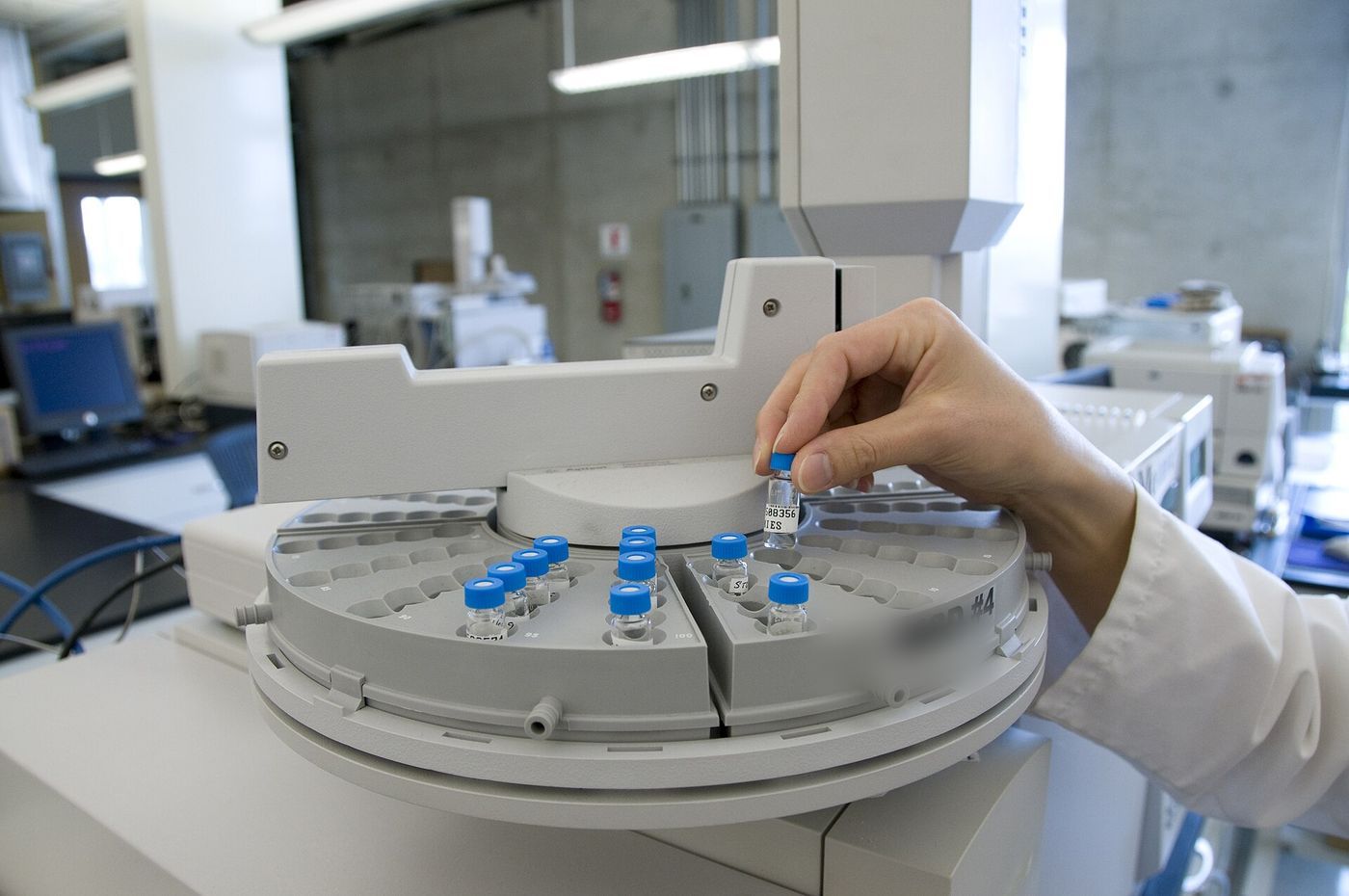
Every step of our insulin process was developed by our own scientists.
Expression strains and master and working cell banks.
Fermentation, enzymatic conversion processes & purification.
Analytical and biological methods that prove quality and similarity.
Formulations for cartridges, pens and vials.
We also make recombinant enzymes such as trypsin and carboxypeptidase B, which are used in insulin manufacture.
One platform. Many insulin analogues.
Our insulin analogues share one recombinant DNA platform: a common expression system, a common purification and conversion route, a common analytical toolkit and a common control strategy, designed on Quality by Design principles.
What we prove once, we apply to every product that follows. This brings four benefits:
Faster development.
Each new analogue starts from methods already proven.
Lower regulatory risk.
Regulators review familiar processes and controls.
Manufacturing plant in use.
All products run in the same plants, with no product-specific infrastructure.
Consistent quality.
One control strategy across the portfolio.
Today the platform delivers rapid-acting, pre-mixed and long-acting insulin analogues. Next it will deliver ultra-rapid, concentrated long-acting, once-weekly and combination products.
Rapid-actingPre-mixedLong-acting
Ultra-rapidConcentrated long-actingOnce-weeklyCombination
Similarity, measured and published.
Before a biosimilar enters a clinical study, it must match its reference medicine in structure, purity and function. We compare our products with many batches of the reference medicine, using orthogonal methods so that each attribute is confirmed in more than one way.
| What we compare | How we measure it |
|---|---|
| Primary structure | Peptide mapping, intact mass and sequence analysis |
| Higher-order structure | Spectroscopic methods |
| Purity and impurities | High-performance liquid chromatography and related methods |
| Biological activity | Insulin receptor binding and cell-based metabolic assays |
| Immune response | Validated anti-drug antibody assays |
Our similarity data are not only filed with regulators. They are published in peer-reviewed journals, open to any scientist to examine. See Scientific Reports (2024) and BioDrugs (2023) under Publications.
Enzymes made for the world.
Beyond insulin, we have developed more than 15 recombinant non-therapeutic enzymes, including trypsin, carboxypeptidase B and enterokinase.
This business proves our platform every day, and it supports our insulin work in analytical characterisation, quality control and process development.
recombinant non-therapeutic enzymes
TrypsinCarboxypeptidase BEnterokinase
The evidence, in one place.
Ghade NS, Damodar KT, Lona J, Krishnan AR, Sonar SM. Comparative physicochemical and structural characterization studies establish high biosimilarity between BGL-ASP and reference insulin aspart. Scientific Reports. 2024;14:4224.
Mishra AG, Deshmane RB, Thappa DK, Lona J, Ghade NS, Sonar SM, Krishnan AR. In vitro biological characterization of recombinant insulin aspart from BioGenomics and originator insulin aspart. BioDrugs. 2023;37(5):709–719.
Mishra A, Dongre S, Kulkarni G, et al. Comparative assessment of immunogenicity of recombinant insulin aspart from BioGenomics and its originator NovoRapid® in adult patients with type 2 diabetes mellitus. J Endocrinol Invest. 2023. doi:10.1007/s40618-023-02263-5.
Dongre SA, Kulkarni GA, Mishra A, et al. Efficacy, safety and immunogenicity of recombinant insulin aspart (BioGenomics Limited) and NovoRapid® (Novo Nordisk) in adults with type 2 diabetes mellitus: a randomized, open-label, multicenter, phase 3 study. Res Pharm Sci. 2024;19(5):489–499.
Dongre SA, Kulkarni GA, Thapa D, et al. Equivalence of biosimilarity in pharmacokinetic and pharmacodynamic properties of recombinant human insulin aspart. Clin Pharmacol Drug Dev. 2025. doi:10.1002/cpdd.1510.
Conference posters
Presented at the IDF World Diabetes Congress 2025 in Bangkok (7–10 April 2025). Select a poster to open it.
Biological assays: key to successful development of insulin biosimilar for clinical application
Mishra A, Dongre S, Kulkarni G, Deshmane R, Thappa D, Ghade N, et al.
Comparative bioassay of biphasic insulin aspart mix 30 of BioGenomics with NovoMix® 30 of Novo Nordisk
Deshmane R, Mishra A, Thappa D, Lona J, Ghade N, Kokatam S, et al.
Our technology is protected by our own patents.
BioGenomics holds 27 granted patents. They cover the inventions at the heart of our platform:
- Expression strains and constructs.
- Fermentation, purification and enzymatic conversion processes.
- Recombinant enzymes and their manufacture.
- Formulations.
Strains and expression
Processes
Enzymes
Formulations
Total granted
Our founders are inventors on more than 100 and more than 27 patents respectively, built over careers in protein engineering and molecular biology.
We respect the inventions of others.
Biosimilars enter a market after the patents and exclusivities on the reference medicine expire. For each product and each market, we assess the patent position before launch, and we design our processes to avoid methods that others have protected.
Partners receive our freedom-to-operate assessment during diligence.